
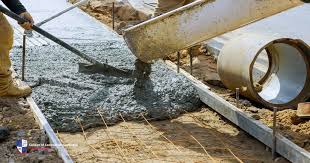
Cement is one of the most essential materials in human development, forming the backbone of modern infrastructure. From residential homes to massive industrial complexes, highways, bridges, and dams, cement influences nearly every aspect of the built environment. Despite being such a widely used material, the cement industry is undergoing a quiet but profound transformation—shaped by innovation, sustainability concerns, and changing construction needs.
In this blog, we explore the fundamentals of cement, the latest trends, and where the industry is headed.
Understanding Cement: More Than Just a Binding Material
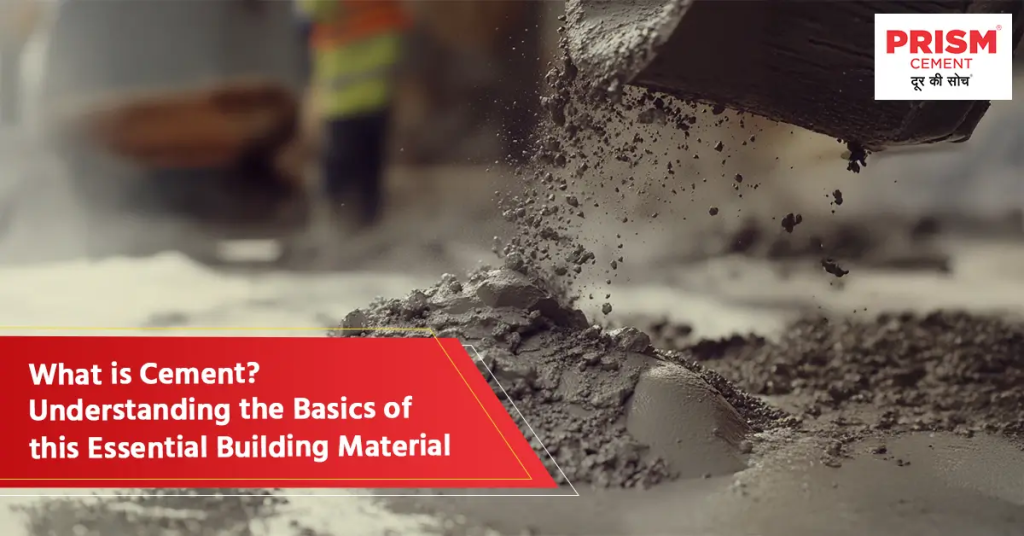
At its core, cement is a fine powder made from a mixture of limestone, clay, silica, and other materials heated in a kiln. When mixed with water, it hydrates and forms a hard, stone-like structure. This property makes it an irreplaceable construction component.
Most construction today relies on Portland cement, which has dominated the industry for more than 150 years. Its versatility, durability, and relatively low cost fuel its use across the globe. However, as global construction demands rise, the cement sector faces increasing pressure to innovate—particularly in the areas of efficiency and sustainability.
Sustainability Challenges: A Call for Greener Cement
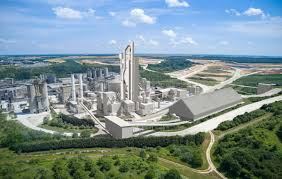
One of the biggest criticisms of cement production is its environmental footprint. The industry accounts for roughly 8% of global CO₂ emissions, largely due to the chemical reaction that occurs when limestone is heated.
Because of this, sustainable cement solutions have become more important than ever. Some of the major developments reshaping the future include:
1. Supplementary Cementitious Materials (SCMs)
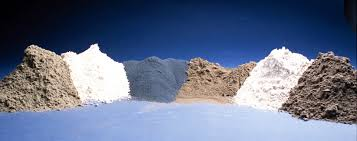
Materials such as fly ash, slag, and silica fume are being increasingly used to replace a portion of Portland cement. SCMs reduce the clinker content and therefore the emissions associated with cement production. They also improve durability and reduce heat generation in mass concrete pours.
2. Carbon-Curing Technologies
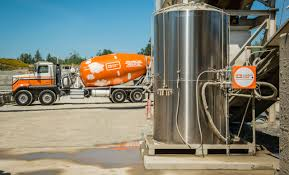
New technologies trap CO₂ within the concrete during production or curing. This not only sequesters carbon but can also improve the material’s strength. Several startups are making significant advancements in this space and reshaping the market.
3. Geopolymer Cement
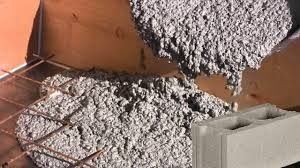
Geopolymers rely on aluminosilicate materials instead of traditional limestone-based clinker. These products have the potential to cut emissions by up to 80% while delivering comparable or superior performance. Though still in early adoption, many construction firms are taking notice.
4. Recycled Materials and Circular Economy Practices
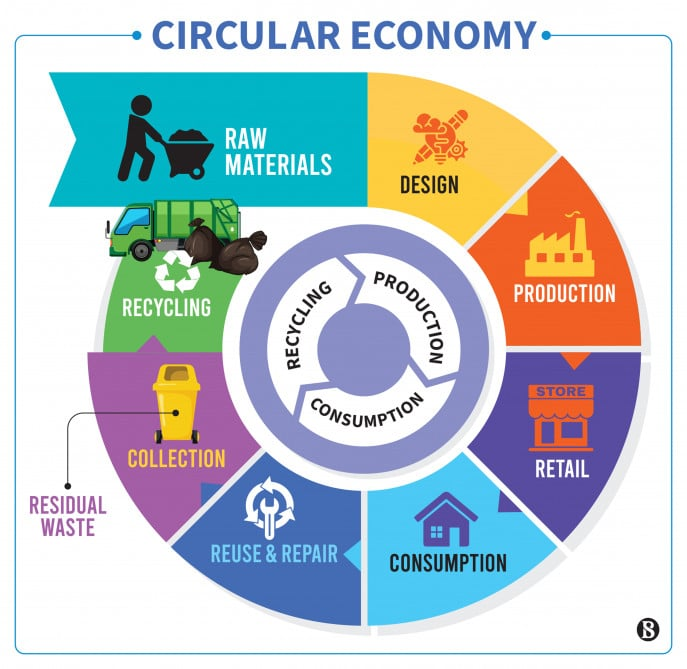
From recycled aggregates to industrial waste products, many companies are embracing circular practices to reduce environmental impact and cost. This trend is expected to grow as regulations tighten globally.
Technological Innovations Transforming the Cement Industry
Aside from sustainability, digital transformation is also sweeping through cement manufacturing and construction.
Smart Manufacturing
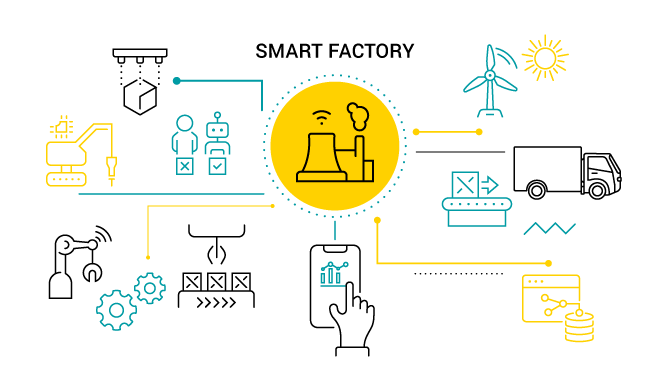
AI-driven automation is optimizing kiln operations, reducing energy usage, and improving product consistency. Real-time monitoring helps plants minimize waste and predict maintenance needs before costly breakdowns occur.
3D Printing with Cementitious Materials
Concrete 3D printing is shifting how buildings are designed and constructed. This technology enables faster construction, reduced material waste, and architectural freedom. Cement manufacturers are now developing specialized mixes tailored for printing applications.
High-Performance and Specialty Cements
Developers are increasingly demanding materials tailored to extreme environments—such as marine structures, high-rise towers, or rapid-setting applications. Specialty cements with additives or unique chemical compositions are filling these niches.
Market Trends: Growing Demand and Shifting Priorities
The global cement market continues to expand, driven by urbanization, population growth, and infrastructure investments across Asia, Africa, and Latin America. Mega-projects—including highways, smart cities, and renewable energy installations—are increasing the demand for reliable construction materials.
At the same time, developed regions are seeing a shift toward renovation and modernization of existing structures. This change encourages the use of high-performance repair mortars, grout, and rapid-hardening materials.
Furthermore, governments worldwide are implementing stricter environmental regulations. Cement companies are being pushed to reduce emissions, adopt cleaner technologies, and report sustainability metrics. This regulatory shift is influencing investment decisions and driving innovation at an unprecedented pace.
The Future of Cement: Toward an Eco-Efficient Built Environment
The cement industry stands at a crossroads. On one side is the challenge of reducing emissions, improving efficiency, and meeting sustainability goals. On the other is the growing demand for durable, affordable, and innovative construction materials.
The path forward will likely include a combination of:
- Low-carbon and alternative cements
- Digitalized and automated manufacturing plants
- Smarter design and construction practices
- A stronger focus on recycling and circular resource use
Ultimately, cement will remain a critical part of modern society. But the form it takes—how it is produced, used, and recycled—will continue to evolve. As the industry innovates and adapts, we can expect a stronger, greener, and more resilient built environment for generations to come.
If you’d like another blog, a shorter version, or one focused on a specific topic (e.g., cement types, manufacturing process, market analysis, sustainability), just tell me!


